Periodontal Treatment Recovery Timeline: Day-by-Day Expectations
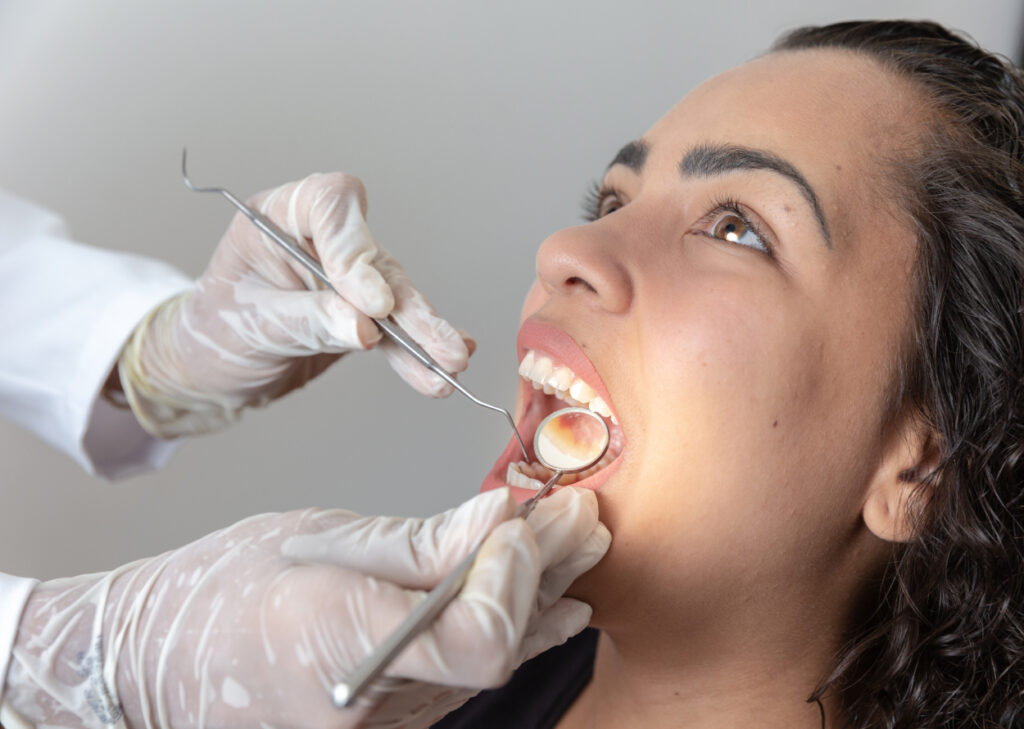
Periodontal treatment can improve gum health, reduce pocket depth, control infection, and help patients keep teeth that might otherwise be at risk. What catches many people off guard is not the procedure itself, but the recovery. They expect a dramatic, obvious healing process, then worry when the mouth feels mostly normal one day and tender the next. Gum healing rarely moves in a straight line. It tends to come in phases, with small fluctuations that are usually normal.
The term Periodontal Treatment covers a few different procedures. The recovery after scaling and root planing, often called a deep cleaning, is different from the recovery after gum flap surgery, laser therapy, gum grafting, or osseous surgery. Still, the broad pattern is fairly consistent. Tissues are irritated at first, symptoms settle over several days, surface healing happens before deeper healing, and the gums continue tightening and remodeling for weeks.
What follows is a practical, day by day guide based on how patients commonly recover, what tends to feel normal at each stage, and where expectations often go wrong.
Recovery starts with the type of treatment you had
A deep cleaning usually produces the mildest recovery. Most people notice tenderness, sensitivity to cold, and some light bleeding when brushing for a few days. They are often able to work the same day or the next day, especially if only local anesthetic was used.
Surgical periodontal treatment asks more from the body. If the gum tissue was reflected, sutured, repositioned, or grafted, swelling and soreness are more pronounced. Recovery also depends on how many areas were treated at once. A patient who has one quadrant treated will usually bounce back faster than someone who has full mouth therapy over a short period.
Even within the same procedure, healing varies. Smokers often heal more slowly. People with diabetes may recover well, but only if blood sugar is reasonably controlled. Patients who clench their teeth, breathe through their mouth at night, or skip post operative rinses often feel more irritated for longer. None of that means the treatment failed. It means the recovery window is wider than many people expect.
The first few hours: numb, awkward, and easy to misread
Right after periodontal treatment, many patients feel better than they expected. That can be misleading. If local anesthetic is still active, the mouth may feel fat, clumsy, or slightly droopy, but not very painful. Once numbness fades, the real texture of recovery begins to show.
After non surgical treatment, it is common to feel a scraped or raw sensation along the gumline. Teeth can feel oddly exposed because calculus has been removed and swollen tissue has started to shrink. Some patients describe this as their teeth feeling longer. They are not actually growing, of course, but the contour around them is changing.
After surgery, the first few hours are mostly about protection. Gauze pressure may be needed if there is slight oozing. The saliva can look bloodier than it is because even a small amount of blood spreads dramatically in the mouth. That visual alone causes a lot of unnecessary panic. A pink tinge is usually expected. Bright red bleeding that fills the mouth repeatedly is different and deserves attention.
Eating in the first several hours should be simple and cool to lukewarm. Hot soup, crunchy bread, chips, spicy foods, and alcohol are all common mistakes. They irritate tissue, disrupt clotting, and make a manageable recovery feel rougher than it needs to.
Day 1: tenderness settles in
For most patients, day 1 is when the treatment becomes real. The anesthetic is gone. The mouth feels sore, sometimes tight, and brushing may feel intimidating. After scaling and root planing, this soreness is usually mild to moderate. It often feels like the gums are bruised. Cold air or cold water can trigger quick, sharp sensitivity because root surfaces have been cleaned and are temporarily more exposed.
After periodontal surgery, day 1 is often the most cautious day. Swelling begins to develop. The gums may feel full or throbbing. If sutures are present, there may be a stretching sensation when smiling, talking, or chewing. If a gum graft https://kameronfeqg519.summitquill.com/posts/what-to-eat-after-periodontal-treatment-for-faster-recovery was taken from the palate, many patients say the donor site bothers them more than the treated gum itself. That is a useful expectation to set. The roof of the mouth can sting, especially when eating.
This is also the day when patients often inspect the area too closely. They pull the lip, check every color change, and convince themselves something looks wrong. Fresh surgical sites can look patchy, white, yellow, or uneven. A fibrin layer, which is part of normal healing, is often mistaken for pus. The safest rule on day 1 is simple: look less, follow instructions more.
Days 2 to 3: often the peak of swelling and sensitivity
If you are going to have swelling after periodontal treatment, days 2 and 3 are where it usually peaks. This is especially true after surgery. The area may feel warmer, puffier, and more obvious than it did on day 1. Some patients also notice mild jaw stiffness from keeping the mouth open during treatment.
Deep cleaning recovery tends to improve during this window, but sensitivity may still be strong. A sip of cold water can feel like a little electric pulse, especially around lower front teeth or molars with recession. That sensation usually settles as the gums calm down and tubules on the root surface become less reactive. In the meantime, a desensitizing toothpaste can help, though it rarely fixes things overnight.
Surgical patients sometimes become concerned because the site looks worse before it looks better. That is normal. Healing tissue can appear puffy, shiny, and irregular. If a periodontal dressing was placed, it may feel bulky and awkward. Parts of it can chip or loosen slightly. That is not always an emergency, but it should be mentioned to the office if the dressing becomes unstable, rubs painfully, or exposes a graft.
One practical detail matters a lot here: people who stop cleaning the rest of the mouth because they are afraid of the surgical area often end up feeling worse. Plaque accumulates quickly. The untreated areas become inflamed, and the whole mouth feels sore and dirty. Good recovery depends on controlled cleaning, not complete avoidance.
Days 4 to 7: the turning point most people are waiting for
This is when many patients finally feel they are moving in the right direction. Pain generally decreases. Swelling starts to soften. The mouth still does not feel normal, but daily life becomes easier.
After a deep cleaning, many people are functionally back to normal by day 4 or 5. The gums may still bleed a little when brushing, particularly if they were significantly inflamed before treatment, but the tissue often begins to look tighter and less red. Breath can improve quickly once bacterial deposits are removed. That early change is one of the most noticeable benefits of periodontal care.
After surgery, days 4 to 7 are a mixed bag. The worst discomfort often eases, yet the site can look strange. Stitches may feel itchy or annoying. If a graft was placed, the color may not resemble healthy pink gum yet. That does not mean the graft is failing. Fresh graft tissue often appears pale, grayish, or uneven before it integrates. Patients who expect a neat cosmetic result within a week are almost always disappointed. Periodontal tissues heal on a slower visual timeline than skin.
This is also the week when food fatigue sets in. Soft foods sound manageable on paper, but by day 5 many patients are tired of yogurt, eggs, pasta, soup, and mashed foods. The temptation to test crunchy food arrives before the tissue is ready. It is one of the most common reasons a decent recovery takes a step backward.
A useful rule during this period is to judge recovery by trend, not by single moments. If each day is slightly easier overall, even with occasional tenderness, that is usually reassuring.
The first week at a glance
- Mild oozing, tenderness, and sensitivity are common early on
- Swelling often peaks around days 2 and 3, especially after surgery
- White or yellow film on healing gums can be normal fibrin, not infection
- Teeth may feel longer or more sensitive as inflamed gums shrink
- Most people notice clear improvement by the end of the first week
Week 2: less drama, more remodeling
By the second week, non surgical periodontal treatment is often in the maintenance phase rather than the active recovery phase. Patients who had scaling and root planing may still notice temperature sensitivity and slight tenderness when flossing, but the mouth usually feels cleaner and calmer. Gums often look less puffy. In some cases, small spaces between teeth seem more visible because swollen tissue has receded to a healthier contour. Patients sometimes mistake this for “losing gum” from the treatment. More often, it is inflammation resolving and exposing the true shape of the area.
Surgical cases vary more in week 2. If sutures need removal, this is a common timeframe. Once they are out, the tissue often feels more comfortable almost immediately. That said, comfort does not equal complete healing. The surface may be closed enough to look stable, while the deeper tissue underneath is still organizing and strengthening.
Chewing usually improves during this period, but caution still matters. Hard crusts, nuts, seeds, popcorn, and sharp snack foods can undo progress fast. I have seen patients feel “basically healed” at day 10, eat tortilla chips, and come back with irritated tissue that looked a week behind.
Oral hygiene usually expands here. Your periodontist may have you resume very gentle brushing in areas that were previously off limits, often with an ultrasoft brush and very light pressure. This part is important. Plaque control is not optional after treatment. It is the thing that protects the investment you just made.
Weeks 3 to 4: when the gums begin to feel like yours again
This stage is less dramatic, which is why it often gets overlooked. Yet it is where much of the meaningful healing happens. The tissue firms up. Color becomes more uniform. Gum margins settle. That “something happened in my mouth” feeling starts to fade.
After deep cleaning, weeks 3 and 4 are often when patients can tell whether home care habits have truly changed. If brushing and flossing have improved, the gums tend to bleed less, feel tighter, and look healthier. If plaque has crept back, tenderness and bleeding may continue, and the patient may wrongly assume the treatment did not work. Deep cleaning is not a one time cure. It creates a cleaner environment so the body has a chance to heal, but daily disruption of plaque is still essential.
After surgery, the area may look mostly recovered by this point, though deeper maturation continues. If the procedure reduced periodontal pockets, it is common for the gums to sit differently against the teeth than they did before. This can change how floss feels and where food packs during meals. Patients benefit from being told this in advance. A new contour is not necessarily a problem, but it may require a different brushing angle, interdental brush size, or flossing technique.
For esthetic areas, especially the front teeth, people often judge the result too early. Tissue can continue refining for several more weeks. Subtle asymmetries and texture differences often soften with time.
One month and beyond: healing shifts into maintenance
By the one month mark, most patients are through the visible part of recovery. The mouth may not be one hundred percent settled, particularly after grafting or more involved surgery, but the day to day disruption is usually over.
What matters now is the follow up phase. Periodontal disease is not treated the same way a cavity is filled and finished. It is managed over time. Re evaluation appointments are important because they show whether pocket depths have improved, whether inflammation has dropped, and whether any areas still need attention. A site can feel fine to a patient and still need reinforcement clinically.
This is also the point where long term benefits begin to show. Many patients report less bleeding when brushing, fresher breath, less tenderness around problem teeth, and better comfort when chewing. Others notice subtle changes, like less metallic taste or fewer puffy spots near the gumline. Those improvements tend to build if maintenance stays consistent.
Symptoms that are normal, and symptoms that deserve a call
Patients often struggle to tell expected healing apart from trouble. Normal healing is not perfectly comfortable, and that can create a lot of second guessing.
Typical recovery can include soreness, mild swelling, light bleeding when cleaning, temperature sensitivity, odd looking tissue color in the early phase, and a feeling that teeth are slightly loose or different as inflamed tissue shrinks. A temporary increase in tooth mobility can happen in some periodontal cases because the support structures are adjusting and inflammation is changing. That deserves monitoring, but it is not automatically a bad sign.
The symptoms that raise more concern are the ones moving in the wrong direction. Worsening pain after initial improvement is more suspicious than steady soreness. Swelling that keeps expanding after day 3, foul drainage, fever, heavy bleeding that does not stop with pressure, or a graft or dressing that clearly dislodges are all worth contacting the office about.
- Bleeding that remains heavy despite firm gauze pressure
- Swelling that continues to increase after the third day
- Fever, chills, or a bad taste with obvious drainage
- Sudden sharp pain after a period of improving comfort
- A graft, dressing, or suture that seems to have come loose significantly
Why one person heals fast and another does not
Two patients can have the same periodontal treatment and very different recoveries. That difference is not random. The starting condition matters. Tissue that was deeply inflamed before treatment often looks more dramatic afterward because it has farther to travel back to health. The body’s healing style matters too. Some people swell easily. Others barely swell at all.
Smoking remains one of the clearest reasons for delayed healing and poorer results. Nicotine reduces blood flow and interferes with tissue repair. Even temporary abstinence around the procedure helps. Diabetes, dry mouth, certain medications, and high stress can also affect recovery. So can simple mechanics. A patient who constantly pulls the lip to inspect the site, brushes aggressively too soon, or returns to hard foods early can prolong soreness without realizing it.
Then there is oral hygiene technique. This is where professional judgment matters. Some people are told to “brush gently” and translate that into barely touching the teeth. Others resume normal brushing too aggressively and traumatize the area. The right answer sits in the middle: consistent plaque control with the exact amount of pressure your periodontist recommends.
A realistic eating and cleaning rhythm
Most patients do best when they approach recovery with moderation rather than extremes. Eat simple foods for longer than feels necessary, especially after surgery. Cool or room temperature foods are usually easiest at first. As tenderness decreases, texture can return gradually. If a food requires forceful biting, cracks sharply, or leaves fragments, it is probably too soon.
Cleaning should be equally measured. Rinses may be your main tool at first if brushing is restricted in the treatment area. Then brushing returns gently, usually with a soft brush and a lighter grip than usual. Interdental cleaning often follows once the tissue can tolerate it. Patients who pace this well usually recover more comfortably than those who either avoid cleaning out of fear or attack the area trying to make it feel “extra clean.”
The emotional side of periodontal recovery
This part does not get enough attention. Periodontal treatment can be unnerving because the gums are visible, the healing can look messy, and changes in contour are easy to notice. Patients often wonder whether the mouth will ever feel familiar again. In most cases, it will, but not on day 3 and not always by day 7.
The most reassuring pattern is gradual improvement. Less tenderness. Less bleeding. Better breath. Easier brushing. More confidence chewing. Those are meaningful markers. Patients who know to expect them usually handle recovery better than those waiting for a single dramatic moment when everything feels fixed.
What the timeline really means
A timeline is useful, but it is not a script. Periodontal treatment recovery tends to follow a broad pattern: irritation early, peak swelling or sensitivity in the first few days, visible improvement by the end of the first week, functional recovery over the next couple of weeks, and continued tissue maturation after that. The exact pace depends on the procedure, the condition being treated, and how carefully the aftercare instructions are followed.
If you are recovering now, the best question is not “Should I be completely normal yet?” It is “Am I trending in the right direction for the treatment I had?” That is how periodontists think about healing, and it is usually the most reliable way to judge whether the recovery is on track.
When patients understand that healing gums can look imperfect, feel sensitive, and still be recovering normally, they make better choices and worry less. That alone can make the days after treatment smoother. Periodontal care works best when the procedure and the recovery are treated as one continuous process, not as separate events.
Avra Dental
Address: 1708 S Victoria Ave B, Ventura, CA 93003
Phone number: (805) 941-1001
FAQ About Periodontal Treatment
Can a dentist get rid of periodontal disease?
A dentist or gum specialist (periodontist) cannot fully cure or reverse advanced periodontal disease (periodontitis), but they can successfully stop its progression and manage the infection.
Is periodontitis very serious?
Yes, periodontitis is a very serious, advanced form of gum disease that destroys the bone and tissues supporting your teeth.
How is stage 2 periodontal disease treated?
Stage 2 periodontal disease (early to moderate periodontitis) is primarily treated with non-surgical deep cleaning procedures like scaling and root planing to remove bacteria and tartar below the gumline.