How to Prepare for Your First Gum Disease Treatment Appointment
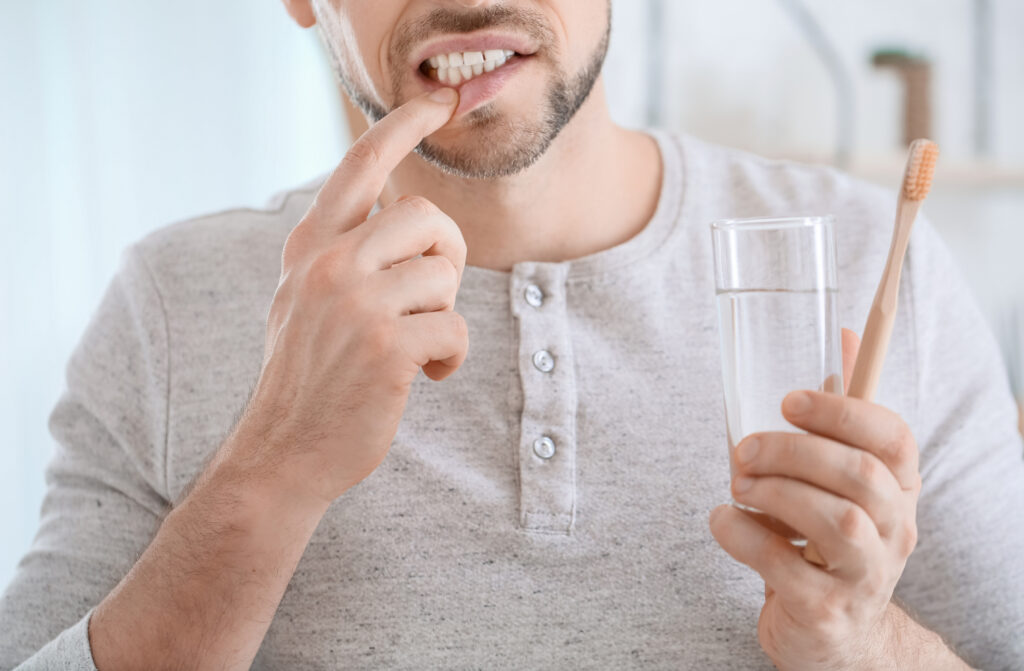
Hearing that you need treatment for gum disease can stir up more worry than people expect. Most patients do not panic over the technical side of periodontal care. They worry about the practical questions. Will it hurt? How long will it take? Will they need surgery? How much will they be able to eat afterward? Will the dentist judge them for waiting too long?
Those concerns are normal. Gum disease is common, and the first treatment visit is usually far less mysterious once you know what happens before, during, and after the appointment. Preparation matters because it can make the visit smoother, reduce surprises, and help your dental team treat the right areas efficiently. It also gives you a better shot at a good result, which is the real goal. Gum disease treatment is not only about cleaning the teeth. It is about stopping infection, reducing inflammation, and protecting the bone and soft tissue that support your smile for the long term.
If you are scheduled for your first periodontal appointment, or exploring Gum Disease Treatment in Ventura and want to know what to expect, it helps to think of the visit as part diagnosis, part therapy, and part reset. You are not just showing up for a cleaning. You are starting a process that can stabilize your gums and change the direction of your oral health.
Understand what the appointment is really for
A lot of confusion starts with terminology. Many people use the word "cleaning" for everything that happens at a dental office, but gum disease treatment often goes beyond a routine prophylaxis. If your gums bleed easily, pockets around the teeth are deeper than they should be, or x rays show bone loss, your provider may recommend periodontal therapy instead of an ordinary cleaning.
For a first treatment visit, the most common non surgical approach is scaling and root planing. That means removing plaque, tartar, and bacterial buildup from above and below the gumline, then smoothing the root surfaces so the gums can reattach more easily and inflammation can settle down. Some offices complete the work in one long appointment. Others divide it by quadrant, treating one half or one quarter of the mouth at a time.
That distinction matters when you prepare. A routine cleaning appointment might barely disrupt your day. Gum Disease Treatment often involves local anesthetic, longer chair time, tenderness afterward, and more detailed home care instructions. Patients do better when they walk in expecting a therapeutic procedure, not a quick polish and rinse.
Know your stage, or at least your baseline
Before your first treatment visit, ask the office what they found during the exam. You do not need a dental degree. You just need a few basic facts. These usually include pocket depths, whether there is bleeding on probing, whether bone loss showed on x rays, and whether your treatment is non surgical or surgical.
If the office tells you that several areas measure 4 to 6 millimeters, that suggests the gums are not as tightly attached as they should be. If some sites are deeper, or if there is significant bone loss, your provider may discuss referral to a periodontist or a more advanced treatment plan. The point is not to memorize clinical language. The point is to understand why the appointment is necessary.
This understanding changes behavior. Patients who realize they are treating active infection tend to be more consistent with follow up, rinses, flossing, and smoking reduction. Patients who think they are only getting an extra thorough cleaning often slip back into old habits and feel disappointed when the gums do not improve quickly.
Gather the right information before the day of treatment
One of the most useful things you can do is call the office in advance and ask a few direct questions. Experienced dental teams expect this, and good offices would rather answer beforehand than sort out confusion while you are in the chair.
Here is a short list of what to confirm:
- How long the appointment will last, and whether the whole mouth or only certain areas will be treated
- Whether local anesthetic will be used, and how numb you may feel afterward
- Whether you should eat before the visit
- What the expected recovery is for the first 24 to 48 hours
- What your estimated out of pocket cost will be
Those five points answer most of the real world issues that catch patients off guard. If you know you will be numb for several hours, you can plan meals and avoid biting your cheek. If you know the procedure may last 90 minutes or more, you can arrange child care, parking, and work coverage. If you know the office expects you to eat beforehand, you do not arrive shaky and hungry.
Bring a complete health picture, even if it seems unrelated
Gum disease does not exist in isolation. Your medical history can change how the appointment is handled and how your gums heal afterward. This is where people sometimes leave out information because they do not see the connection. They mention blood pressure medication but forget the inhaler. They mention diabetes but skip the fact that their blood sugar has been running high lately. They mention pregnancy but not the severe morning sickness that makes brushing difficult.
All of that matters. Diabetes, tobacco use, autoimmune conditions, dry mouth, osteoporosis medications, blood thinners, recent surgeries, chemotherapy history, and even chronic stress can influence periodontal care. So can clenching and grinding, because trauma from biting forces can worsen tooth mobility in already compromised gums.
If you are taking medications, bring a current list or keep one on your phone. That includes prescriptions, over the counter pain relievers, supplements, and herbal products. Fish oil, aspirin, and certain anti inflammatory drugs may affect bleeding. Some medications can enlarge gum tissue or dry the mouth, both of which complicate periodontal health. Your provider is not collecting trivia. They are trying to treat you safely and accurately.
Do not arrive with a "tough it out" mindset
Many adults carry a quiet sense that they should be able to handle anything in the dental chair without questions or accommodations. That mindset backfires. The best first gum disease treatment appointments happen when patients are candid about anxiety, sensitivity, jaw soreness, gagging, or past bad experiences.
If you know your lower back hurts in reclined chairs, say so early. If your jaw gets tired after 20 minutes, mention it. If the sound of ultrasonic instruments makes you tense, say that too. There are practical ways to adapt. The team can offer breaks, reposition you, explain sensations before they happen, use topical anesthetic, or pace treatment differently. None of that is dramatic. It is just good care.
I have seen people white knuckle their way through half an appointment, only to leave exhausted and reluctant to return. I have also seen patients do much better once they simply told the hygienist, "I do better if you tell me before you switch instruments," or, "Please numb me well, I do not want to guess my way through this." Honest communication usually leads to a calmer visit.
Eat strategically before the appointment
Unless the office tells you otherwise, it is often smart to eat a sensible meal beforehand. Choose something that will keep you comfortable if your mouth feels tender later. Eggs, yogurt, oatmeal, rice, pasta, soup that is not too hot, smoothies without tiny seeds, or a sandwich you can chew before treatment all work well.
People commonly make one of two mistakes. They either skip food because they assume all dental appointments require an empty stomach, or they eat a huge meal right before sitting back in the chair. Neither feels great. Going in hungry can leave you lightheaded, especially if you are anxious or if the appointment runs long. Eating too heavily can make reclining uncomfortable.
If one side of your mouth will be treated and numbed, think ahead about what you can eat afterward without chewing aggressively on that area. This tiny bit of planning makes the rest of the day easier.
Brush and floss, but do not try to "fix everything" the night before
Patients sometimes go into overcorrection mode. They skip flossing for months, then attack their gums the night before treatment with extra force, hoping to impress the dental team. That often leaves the gums irritated and more prone to bleeding.
Instead, clean your teeth gently and thoroughly as you normally should. Brush with a soft bristled brush. Floss carefully. If you use an interdental brush or water flosser, use it as directed. The goal is to arrive with a reasonably clean mouth, not traumatized tissue.
Your provider has seen every possible version of neglected home care. No one benefits if you injure your gums trying to create overnight improvement. Periodontal healing depends far more on what you do consistently after treatment than on one frantic session the evening before.
Plan for the hours after your visit
One of the most practical ways to prepare is to think beyond the appointment itself. A first gum treatment session may not be incapacitating, but it often leaves the gums sore and the mouth feeling different for the rest of the day. Numbness can last a few hours. The treated areas may feel tender, especially if there was heavy buildup or deeper pockets.
This is a good day to keep your schedule lighter if you can. Most people can return to normal activity, but not everyone feels like going straight from periodontal therapy to a long lunch, a hard workout, or a public speaking event. If your job requires constant talking, instrument playing, or physically strenuous work, ask your office what they typically recommend.
If the office plans to use local anesthetic, you may prefer not to schedule the treatment immediately before an important meeting or social event. A numb lip and altered speech are not dangerous, but they can be inconvenient. Parents of young children should plan ahead too. It is harder to recover comfortably when you need to rush into school pickup or spend the afternoon chasing a toddler.
Bring what actually helps
Most first appointments do not require much, but a few items can make things easier:
- Your medication list and medical updates
- Insurance information, photo ID, and payment method
- Headphones if music helps you relax
- Lip balm, especially if your lips dry out during longer visits
- A written list of questions, if you tend to forget details under stress
That final point sounds simple, but it matters. People often remember their biggest questions in the car on the way home. Writing them down helps you leave with useful answers instead of vague reassurance.
Ask how success will be measured
A surprisingly important part of preparation is knowing what "better" looks like. Gum disease treatment is successful when inflammation comes down, bleeding decreases, plaque control improves, and periodontal pockets become more stable or shallower over time. In some cases, tooth mobility lessens. In others, the goal is not dramatic reversal but stopping progression.
Ask your provider when they plan to re evaluate the gums. Many offices schedule a periodontal maintenance or follow up recheck in several weeks to a few months, depending on the case. This matters because the first treatment appointment is not the final verdict. It is the beginning of a monitored response. If you expect your gums to look perfect within two days, you may think the treatment failed when it has barely had time to work.
It is also fair to ask what happens if certain pockets do not improve. Sometimes home care is the missing piece. Sometimes retreatment is needed. Sometimes a periodontist evaluates stubborn sites for more specialized therapy. Knowing the roadmap lowers anxiety because you are not left imagining worst case scenarios.
If you smoke, this is the appointment to be honest about it
Few factors complicate gum healing like tobacco use. Smoking can reduce blood flow to the gums, mask bleeding, worsen bone loss, and blunt healing after treatment. Vaping is not a free pass either, especially when nicotine is involved. Patients are sometimes embarrassed to admit how much they smoke, or they downplay it because they assume a lecture is coming.
A better approach is straightforward honesty. Tell the team what you use and how often. If you are trying to quit, say that. If you Gum Disease Treatment in Ventura are not ready to quit, say that too. Your provider can still treat you effectively, but the advice will be more realistic. A patient who cuts from a pack a day to half a pack and avoids smoking right around the procedure may heal differently than a patient who continues heavily without change. Perfect behavior is not required for helpful planning. Accurate information is.
Cost, insurance, and timing deserve attention
Many patients focus so much on the procedure that they forget to prepare financially. Periodontal treatment is often covered differently than routine cleanings, and coverage can vary depending on whether the treatment is coded by quadrant, whether periodontal charting supports medical necessity, and whether there are annual maximums already used up.
Ask for an estimate before the day of treatment. It may not be exact, but it should be close enough to help you plan. If the treatment is extensive, ask whether the office offers phased care, financing, or priority scheduling for the most urgent areas first. This is especially relevant for people who delay care because they assume every recommendation has to be completed immediately and all at once. Sometimes that is true. Often it is not.
Timing matters too. If you have met your deductible or used much of your annual maximum, the office may help you think through whether to begin now or split phases across benefit periods, provided that delay will not compromise your health. Clinical urgency should lead the conversation, but logistics are part of real treatment planning.
What the appointment may feel like
Fear shrinks when details get specific. During treatment, you may feel pressure, water, vibration, and the sense that the provider is working under the gums. If local anesthetic is used, sharp pain should be minimal or absent. If you do feel pain, signal early rather than trying to endure it. Needing more anesthetic is common and not a sign of weakness.
Afterward, mild bleeding or pink saliva for a short time is not unusual. Your gums may feel tender, especially when brushing later that day. Cold sensitivity can flare temporarily once tartar is removed from exposed root surfaces. Some patients feel almost normal by evening. Others need a day or two of softer foods and gentler brushing. The severity often depends on how inflamed the gums were to begin with, how much buildup was removed, and whether treatment covered a small area or a large one.
This is where professional expectations matter. A patient with light to moderate gingival inflammation may recover quickly. A patient with years of heavy buildup, deep pockets, and generalized tenderness should expect a more noticeable recovery period. Neither response is unusual.
Home care after treatment starts before treatment begins
Preparation is not only about the appointment. It is also about having what you need at home when you return. If your office recommends a specific rinse, a soft brush, interdental cleaners, or sensitivity toothpaste, ask in advance so you can pick them up beforehand. It is a small thing, but it makes the first evening easier.
This is especially useful for patients receiving Gum Disease Treatment in Ventura during a busy week. The last thing you want after a long appointment is to stop at three stores while your mouth is sore, trying to remember whether the office said warm salt water, chlorhexidine, or a fluoride paste for sensitivity.
If you are someone who does better with routines, decide ahead of time when you will brush, floss, and use any recommended rinse over the next few days. Periodontal therapy works best when the home care that follows is calm, consistent, and technically sound.
The emotional side is real, and it deserves some room
Many people feel embarrassed when they need periodontal treatment. They apologize for their teeth. They explain that work got hectic, they lost insurance, they had a difficult pregnancy, they went through a divorce, or they stopped going to the dentist during a depressive period. Those stories are common, and they matter because gum disease often reflects life circumstances as much as brushing habits.
A good dental team understands that. Their job is not to shame you. Their job is to help you move forward. If your first appointment carries some emotional weight, acknowledge it privately and then keep the focus on action. Ask the questions. Show up. Follow the instructions. Return for maintenance. Progress in periodontal health rarely comes from one heroic visit. It comes from a series of ordinary, well handled decisions.
A strong start sets the tone for everything after
The first gum disease treatment appointment is important because it shapes what happens next. When patients prepare well, understand the purpose of care, and know what recovery will require, they are far more likely to complete treatment and keep the disease under control. That matters because untreated periodontal disease does not stay still. It tends to progress, sometimes slowly, sometimes faster than expected.
Think https://www.google.com/maps?cid=6886544599407677320 of the appointment as your starting line, not your final exam. Bring clear information, realistic expectations, and a willingness to participate in the process. If you do that, the visit becomes less intimidating and far more useful. And if you are seeking Gum Disease Treatment or comparing options for Gum Disease Treatment in Ventura, that mindset will help you evaluate care with a steadier hand. You are not simply preparing for a dental procedure. You are preparing to protect the foundation that keeps your teeth healthy, functional, and comfortable for years to come.
Avra Dental
Address: 1708 S Victoria Ave B, Ventura, CA 93003
Phone number: (805) 941-1001
FAQ About Gum Disease Treatment in Ventura
How to improve gum health quickly?
To improve gum health quickly, eliminate plaque buildup by brushing for two full minutes twice a day at a 45-degree angle to the gumline. Floss daily to clean under the gumline, and rinse with an antimicrobial, alcohol-free mouthwash. For immediate relief of soreness, use a warm saltwater rinse.
What is the fastest way to cure gum disease?
To quickly cure early-stage gum disease (gingivitis), eliminate the plaque buildup causing the inflammation. Brush gently but thoroughly for two minutes twice daily, floss daily, and use an antibacterial mouthwash or a warm saltwater rinse. However, if tartar has hardened, professional treatment is necessary.
How do I treat my gum disease at home?
You can treat early gum disease at home by practicing strict daily oral hygiene, rinsing with salt water or antibacterial mouthwash, and quitting smoking. True gum disease (especially advanced forms like periodontitis) cannot be fully cured at home once tartar forms, and you must see a dentist for professional cleanings.