Essential Aftercare Following Gum Disease Treatment

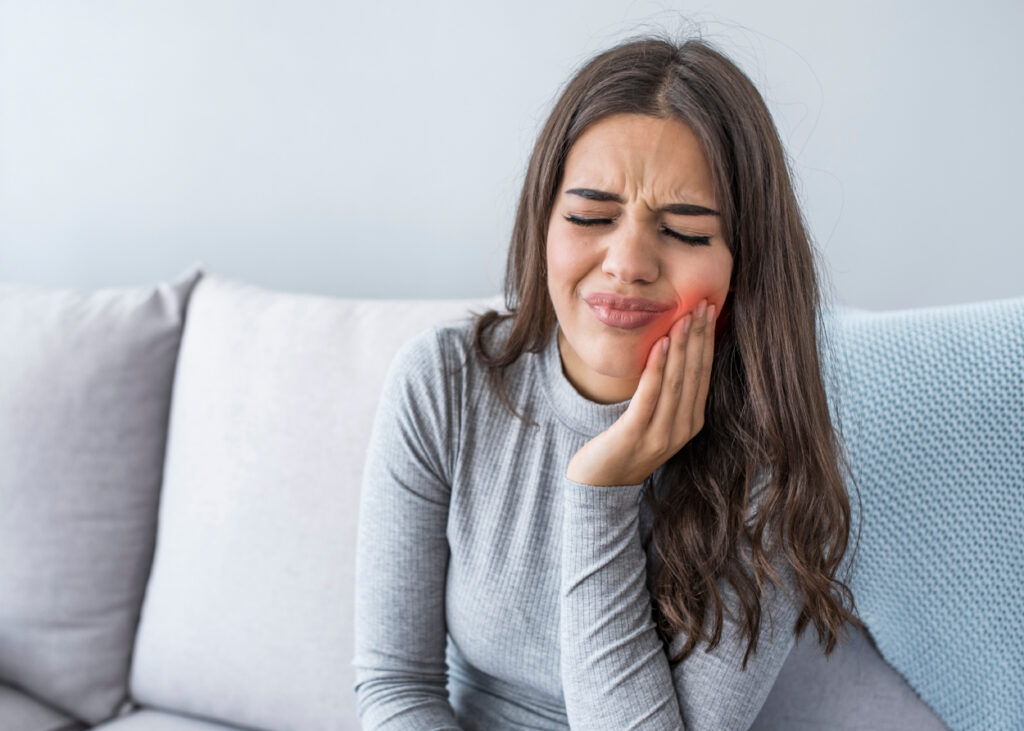
Gum disease treatment does not end when you leave the dental chair. In many cases, that is where the real work begins. Whether you have had a deep cleaning, scaling and root planing, localized antibiotic therapy, laser-assisted care, or periodontal surgery, the days and weeks that follow will shape how well your gums heal and how stable your results remain over time.
Patients often expect treatment to feel like a reset button. They assume the infection is gone, the gums will simply tighten up, and life returns to normal. Periodontal healing is rarely that simple. Inflamed tissue needs time to settle. Bacterial biofilm starts to rebuild almost immediately. Tender https://kameronkbsj343.image-perth.org/gum-disease-treatment-and-the-importance-of-follow-up-visits gums can make brushing uncomfortable just when thorough plaque removal matters most. Good aftercare closes that gap between treatment and true recovery.
That is why experienced clinicians spend so much time talking about home care, maintenance visits, diet, and warning signs. Gum Disease Treatment can remove infected deposits and reduce deep pockets, but it cannot keep those pockets clean for you every day after the procedure. Long-term success depends on what happens at home, especially during the first month.
What your gums are trying to do after treatment
Once diseased deposits are removed from below the gumline, your body begins an orderly healing response. Swelling starts to drop, bleeding usually lessens, and the gum tissue begins to reattach as closely as it can to the cleaned root surface. In some patients, pockets shrink quickly. In others, improvement is slower, especially when the disease has been present for years or when there is bone loss.
It helps to understand what healing is not. Your gums are not growing back to a pristine, untouched state. Periodontal treatment aims to stop infection, control inflammation, and preserve support around the teeth. If tissue or bone has already been lost, treatment often stabilizes rather than fully restores it. That does not mean the treatment failed. It means the disease was managed before it progressed further.
This distinction matters because patients who expect dramatic overnight change sometimes become discouraged. A little tenderness, slight recession, temporary sensitivity, and a “different” feeling around the teeth are common after deep cleaning. Those changes often reflect reduced swelling. Teeth that once felt cushioned by puffy, inflamed tissue may suddenly feel more exposed. That can be unsettling, but it is often a sign that inflammation is receding.
The first 24 to 72 hours set the tone
The immediate recovery period deserves more attention than it usually gets. Most discomfort after non-surgical Gum Disease Treatment is manageable, but small mistakes can make those first days rougher than necessary.
If you had scaling and root planing, your gums may feel sore and your teeth may react to cold air or water. If local anesthetic was used, numbness may linger for a few hours. Surgical periodontal procedures can bring more swelling and tenderness, and may involve sutures or a periodontal dressing. In either case, follow the instructions specific to your procedure first. Generic advice should never override your own clinician’s recommendations.
For most patients, a few practical habits make a noticeable difference:
- Eat soft, non-irritating foods on the day of treatment and avoid chewing directly on very tender areas.
- Take any prescribed or recommended medication exactly as directed, especially anti-inflammatory medication or antimicrobial rinses.
- Keep the mouth clean, but clean it gently. Neglecting brushing because the gums feel sore often leads to more inflammation.
- Avoid smoking and vaping, which interfere with circulation and delay tissue repair.
- Skip alcohol-based mouthwashes unless your dentist or periodontist specifically told you to use one.
That balance between rest and hygiene is the hard part. Patients sometimes swing to one extreme or the other. Some brush too aggressively because they fear bacteria returning. Others do almost nothing because they are afraid of causing bleeding. Gentle consistency works better than either approach.
Brushing after treatment, careful beats forceful
One of the most common misconceptions after periodontal therapy is that bleeding means you should stop brushing. In reality, mild bleeding in inflamed areas often improves because of regular plaque removal, not despite it. The key is technique.
Use a soft-bristled manual brush or a quality electric brush with a gentle pressure sensor if you have one. Angle the bristles toward the gumline and use light, controlled strokes. Scrubbing back and forth with force can aggravate tender tissue and increase recession risk over time. Patients who have always “brushed hard to feel clean” usually need to change that habit after Gum Disease Treatment.
If you had surgery, brushing instructions may be more limited for the first several days around the treated site. The untreated areas still need normal cleaning. That point gets missed often. It is surprising how many people stop brushing the whole mouth because one quadrant feels sensitive.
A patient once described post-treatment brushing as “trying not to offend my gums.” That is a useful way to think about it. Your goal is not to polish aggressively. It is to disrupt the sticky biofilm before it matures into something more destructive.
Floss, interdental brushes, and water flossers, timing matters
Interdental cleaning is where aftercare becomes more individualized. Traditional floss works well for some patients, especially in tighter contacts. Interdental brushes are often more effective in areas where gum recession has opened small spaces. Water flossers can help reduce debris and improve comfort, particularly when manual dexterity is limited. None of these tools is automatically best for everyone.
The timing of when to restart them depends on what kind of treatment you had. After non-surgical deep cleaning, many clinicians recommend resuming floss or interdental cleaning promptly, often within a day, provided you do it gently. After flap surgery, grafting, or procedures involving sutures, you may need to avoid direct cleaning in the treated area for a longer period. This is one place where precise instructions from your own office matter more than general advice.
What matters most over the long term is matching the tool to the space. If floss snaps through contacts but leaves the root surface untouched because the embrasures are too open, it is not doing enough. If an interdental brush is too large and painful, it will not be used consistently. The best home-care aid is the one that actually cleans the right area and gets used every day.
Why sensitivity often increases before it improves
Tooth sensitivity after Gum Disease Treatment worries many patients, especially when they were not particularly sensitive before. The reason is usually straightforward. Inflamed gums had been swollen and covering more tooth surface. Once that swelling decreases, root surfaces can become more exposed. Deep deposits that once insulated the root are also gone. The result is a temporary surge in sensitivity to cold, sweets, touch, or even breathing in cool air.
This can improve over several weeks, but not always completely. If recession and root exposure are significant, some degree of sensitivity may persist. That does not mean you should avoid cleaning those areas. It means you may need help managing the symptoms while healing continues.
Desensitizing toothpaste can be very useful, though it often takes regular use for a couple of weeks before the benefit becomes obvious. Lukewarm water rather than ice-cold water helps in the short term. Acidic foods can intensify sensitivity, especially if consumed frequently throughout the day. For persistent cases, a dentist may apply an in-office desensitizing agent or discuss bonding in selected areas.
Patients are often relieved to hear that sensitivity is common and usually manageable. They are less relieved when nobody tells them in advance. Good aftercare includes realistic expectations.
Food choices can calm the mouth or keep it irritated
After periodontal treatment, food is not just about comfort. It influences healing, plaque accumulation, and how much trauma tender gums must tolerate.
For a short period, softer foods are easier. Yogurt, eggs, oatmeal, soups that are warm rather than hot, cooked vegetables, fish, smoothies eaten with a spoon, and tender grains tend to be well tolerated. Crunchy chips, seeded bread, crusty rolls, popcorn, and spicy or acidic foods can irritate healing tissue or lodge in vulnerable areas. After surgical procedures, this matters even more.
Hydration also deserves mention. A dry mouth encourages plaque buildup and makes the tissues feel more irritated. This is especially relevant for patients taking medications that reduce saliva, such as certain blood pressure medicines, antidepressants, or antihistamines. Sipping water regularly helps, although it is not a substitute for cleaning.
Sugar deserves a nuanced discussion here. Sugar does not directly cause gum disease in the same way it contributes to tooth decay, but frequent sugary intake can still support a less favorable oral environment. Sticky snacks that cling around the gumline make cleaning harder, and sweetened drinks sipped over hours are a quiet problem in many adults who otherwise think their diet is reasonable.
Smoking can undo good treatment surprisingly fast
Any serious discussion of periodontal aftercare has to address tobacco. Smoking remains one of the strongest risk factors for poor periodontal healing, recurrence of disease, and tooth loss. It reduces blood flow, alters the immune response, and makes it harder for tissue to repair. Vaping is often treated as harmless in this context, but nicotine itself can still impair healing.
What makes smoking especially deceptive is that smokers may show less obvious bleeding, even when disease activity is high. Less bleeding does not necessarily mean healthier gums. In clinical practice, some of the most advanced periodontal destruction appears in mouths that do not look dramatically inflamed at first glance.
Patients sometimes ask whether cutting down is enough after Gum Disease Treatment. Any reduction is better than none, but the greatest benefit comes from stopping, particularly during the healing phase. Even a temporary quit period around treatment can improve tissue response. Permanent cessation improves the odds much more.
Medications and medical conditions change the aftercare picture
Periodontal healing does not happen in isolation from the rest of the body. Diabetes is the clearest example. Poor glycemic control tends to worsen periodontal inflammation and slow healing, while active gum disease can make blood sugar harder to manage. When patients with diabetes commit to both periodontal maintenance and better glucose control, the mouth often responds more predictably.
Other factors matter too. Blood thinners may affect post-procedure bleeding. Immunosuppressive conditions or medications may alter healing. Pregnancy changes gum responsiveness. Dry mouth related to medications raises plaque risk. Nighttime clenching can increase tooth mobility and soreness after treatment, even when the periodontal work itself was successful.
This is why aftercare should never be completely generic. A healthy 28-year-old who had localized scaling for early periodontitis and a 68-year-old with diabetes, bridgework, arthritis, and generalized pocketing do not need the same home-care plan, even if both were told they had “gum disease.”
What normal healing looks like, and what deserves a call
Recovery is rarely perfectly linear. A spot that feels fine one day may feel more tender the next after a hard meal or an enthusiastic brushing session. That said, there are patterns that are expected and patterns that deserve prompt attention.
Mild soreness, slight bleeding with cleaning, transient bad taste from disturbed pockets, and sensitivity are all common in the early phase. With surgery, moderate swelling and small amounts of oozing may also occur, depending on the procedure. Symptoms should generally trend toward improvement, not steady worsening.
Call your dental office if you notice any of the following:
- Bleeding that is heavy, persistent, or difficult to control with the instructions you were given.
- Increasing swelling, worsening pain, or a bad taste that seems more like active infection than normal healing.
- Fever, chills, or feeling unwell after the procedure.
- A dressing, stitch, or surgical site that opens unexpectedly, especially if accompanied by significant pain.
- Tooth mobility that seems to be increasing rapidly rather than gradually settling.
Patients sometimes wait too long because they assume they are “supposed to be sore.” When in doubt, calling is usually the right decision. A brief postoperative check can prevent a small issue from turning into a setback.
Maintenance visits are not optional extras
One of the biggest mistakes after Gum Disease Treatment is treating the follow-up schedule as negotiable. Many patients feel better after the initial therapy and assume routine six-month cleanings will be enough. For people with a history of periodontitis, that is often not realistic.
Periodontal maintenance is different from a standard cleaning. At these visits, the clinician checks pocket depths, bleeding points, tissue tone, plaque patterns, and areas of recurrent buildup below the gumline. Radiographs may be updated as needed. Home-care techniques are often adjusted because the mouth changes over time. A spot that was manageable with floss a year ago may now clean better with a small interdental brush.
The interval is commonly around three to four months for many periodontal patients, though some can eventually stretch longer and others need closer supervision. The reason is practical, not arbitrary. Harmful biofilm can repopulate deep areas within a relatively short window, and patients with a history of periodontal breakdown are more susceptible to recurrence.
In practice, people who keep these maintenance visits tend to hold onto their teeth longer. The pattern is not subtle.
When gum recession appears after treatment
A point that deserves honest discussion is the appearance of recession after inflammation resolves. Patients sometimes feel alarmed when the gums look lower or the teeth seem longer. They may think the treatment caused damage. More often, what they are seeing is the removal of swollen tissue that had been masking the true contour of the gums.
This can create black triangles between teeth, expose root surfaces, and change the smile in ways that matter aesthetically. The trade-off is not trivial. Health and appearance do not always improve on the same timeline, and sometimes they move in different directions. Once inflammation is controlled, however, there are at least options. Depending on the case, your periodontist may discuss grafting, contouring, restorative camouflage, or simply monitoring if the issue is mostly cosmetic and stable.
It is better to frame this honestly from the start. Treating infection is the first priority. Fine-tuning appearance comes after stability.
Home care has to fit real life, not an idealized routine
The best aftercare plans are practical enough to survive weekdays, travel, family responsibilities, and plain fatigue. A perfect regimen that takes 25 minutes and requires five specialized tools may look good on paper but fail within a month.
Most patients do better with a core routine they can actually sustain: thorough brushing twice daily, one effective interdental method once daily, any prescribed rinse used correctly, and maintenance visits kept on schedule. Additional steps can be layered in if needed. A patient with excellent technique and consistency often gets better outcomes from a simple plan than a motivated but overwhelmed patient who keeps abandoning an elaborate one.
There is also an emotional side to periodontal care that clinicians sometimes underestimate. People can feel embarrassed when they hear they have gum disease, especially if they associate it with poor hygiene. In reality, periodontal disease involves far more than brushing habits alone. Genetics, smoking, diabetes, stress, bite forces, dry mouth, and years of inaccessible buildup all play a part. Shame is not useful after treatment. Precision and consistency are.
If you had surgery, patience matters even more
Surgical periodontal aftercare deserves a special note because expectations can go off track quickly. After flap surgery, grafts, or regenerative procedures, the tissue often looks worse before it looks better. Swelling, altered texture, color changes, and interrupted brushing routines can make the area seem alarming in the first week. Healing continues well beyond the day stitches come out.
With grafting in particular, patients often focus on the donor site or worry about a whitish or uneven appearance at the recipient site. Much of that can be part of normal early healing. What matters is whether the tissue is stabilizing over time and whether your periodontist is satisfied with blood supply and adaptation.
This is not the phase for self-experimentation. Do not decide on your own to resume vigorous flossing, switch mouthrinses, or “test” the area with your tongue to see if it is attached. Follow the surgical instructions exactly, even if they feel overly cautious. Those instructions are built around protecting fragile tissue during a very specific healing window.
The long game is control, not perfection
The most realistic and useful mindset after Gum Disease Treatment is this: you are managing a chronic condition with active phases and maintenance phases. For many people, periodontitis is not something that gets “cured” and forgotten. It is something brought under control and monitored carefully.
That may sound discouraging at first, but in practice it is empowering. Once patients understand the pattern, they stop waiting for a magical endpoint and start focusing on measurable stability. Less bleeding. Shallower pockets. Fresher breath. More comfort while chewing. Fewer flare-ups. Better maintenance visits. Those are meaningful wins.
Teeth with previous bone loss can often function well for many years when inflammation stays controlled. I have seen patients keep vulnerable teeth far longer than anyone expected because they treated aftercare seriously. I have also seen excellent in-office treatment unravel because home care slipped and follow-ups were postponed again and again.
The difference is rarely dramatic in a single week. It shows up in the quiet accumulation of habits.
If you have recently undergone Gum Disease Treatment, the best thing you can do is stay engaged with the process. Clean gently but consistently. Respect the healing timeline. Keep every follow-up. Ask questions early rather than guessing. Periodontal health is built that way, one ordinary day at a time.
Avra Dental
Address: 1708 S Victoria Ave B, Ventura, CA 93003
Phone number: +18057653206
FAQ About Gum Disease Treatment
Can I make my gums healthy again?
Yes, you can make early-stage gum disease completely healthy again, but advanced damage requires professional care to manage.
Can you cure gum disease?
You can cure early-stage gum disease, but advanced gum disease cannot be fully cured.
Can I live a normal life with gum disease?
Yes, you can live a normal life with gum disease, but it requires active, lifelong management to control the condition and prevent serious complications