Comparing Surgical and Nonsurgical Gum Disease Treatment
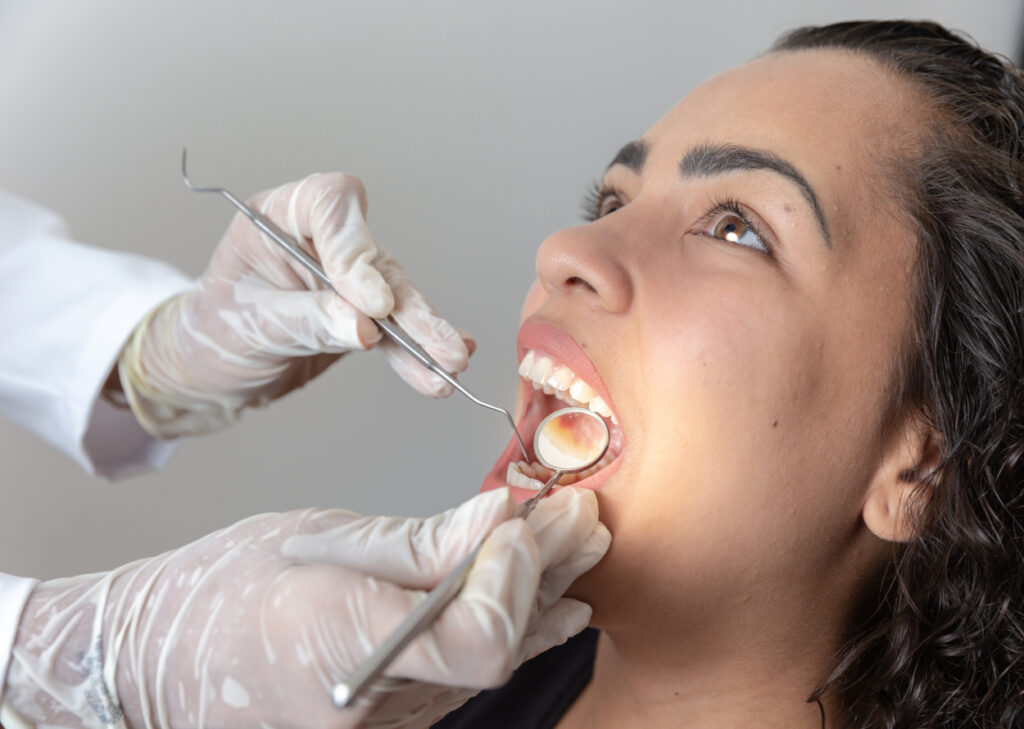
Gum disease rarely announces itself with drama at the start. More often, it begins with a little bleeding while brushing, a faint metallic taste, or gums that look slightly puffy around a back tooth. Patients often tell me they assumed they were brushing too hard. A few months, sometimes a few years later, the conversation changes. Teeth feel longer. Food traps between teeth that never used to catch anything. A molar starts to feel subtly mobile. At that point, the question is no longer whether treatment is necessary, but which kind of treatment offers the best chance of stabilizing the mouth.
Comparing surgical and nonsurgical gum disease treatment is not just about choosing the more aggressive or less aggressive option. It is about matching the treatment to the biology of the disease, the depth of the pockets around the teeth, the amount of bone loss, the patient’s health, and the reality of what can be maintained over time. A treatment plan that looks perfect on paper can fail if it ignores one simple fact: gum disease is a chronic inflammatory condition, and long-term control matters more than a dramatic short-term fix.
What gum disease treatment is trying to accomplish
Whether treatment is surgical or nonsurgical, the goals are fundamentally the same. The infected pocket around the tooth needs to be cleaned, the bacterial burden reduced, inflammation controlled, and the patient put in a position where daily home care can actually work. If the disease has advanced, the clinician also tries to preserve as much bone, gum support, and tooth stability as possible.
That matters because periodontal disease is not only an infection. It is also the body’s inflammatory response to bacterial biofilm. Two patients can have similar amounts of plaque and very different levels of destruction. Smoking, diabetes, genetics, stress, dry mouth, certain medications, and inconsistent oral hygiene all shape the pace of damage. This is one reason treatment decisions should never be made by pocket depth alone.
A four-millimeter pocket in one patient may respond beautifully to deep cleaning and improved brushing technique. A six- or seven-millimeter pocket with bleeding, pus, and radiographic bone loss often tells a different story. The tooth may still be saveable, but the margin for error narrows.
Where nonsurgical treatment fits
Nonsurgical gum disease treatment is usually the first active phase of care, especially for mild to moderate periodontitis and for many cases of more advanced disease before surgery is considered. The cornerstone is scaling and root planing, often called a deep cleaning. Despite the ordinary-sounding name, it is a far more thorough procedure than a regular cleaning.
The clinician removes plaque, tartar, and bacterial deposits above and below the gumline, then smooths the root surface to make it harder for bacteria to reattach and easier for the gums to heal. Depending on the extent of disease, this may be done by quadrant over two to four visits, often with local anesthetic. In less severe cases, it may be completed in a single longer appointment.
When nonsurgical care is done well, the change can be striking. Gums that bled at the lightest touch become firm and less tender. Pocket depths may shrink as swelling resolves. Breath often improves quickly. Patients sometimes expect dramatic visual changes overnight, but the first gains are usually biologic rather than cosmetic. The tissue becomes healthier before it necessarily looks perfect.
Adjunctive measures are sometimes added. Antimicrobial rinses, localized antibiotics placed into deeper pockets, and more frequent periodontal maintenance visits can all help selected patients. These are supports, not substitutes. If calculus remains on root surfaces or home care stays poor, add-ons rarely rescue the situation.
The real strengths of nonsurgical care
One reason dentists and periodontists value nonsurgical treatment is that it treats the disease while preserving options. It is less invasive, recovery is usually easier, and the response tells you something important about the tissue’s capacity to heal. I have seen pockets in the five- to six-millimeter range improve enough after meticulous deep cleaning and improved brushing that surgery was no longer necessary. That is especially common when a large part of the pocket depth comes from inflammation and swelling rather than from irreversible tissue architecture.
Nonsurgical treatment also gives the patient a fair starting point. Before any surgeon lifts a flap, it helps to know whether bleeding scores drop, whether plaque control improves, and whether the patient can maintain healthier tissue day to day. Surgery performed in a mouth that still carries thick deposits and uncontrolled inflammation tends to underperform.
There is another practical point that often gets overlooked. Deep cleaning is usually the phase where patient education becomes real. People learn which areas they miss, whether they need interdental brushes rather than floss, whether an electric toothbrush would help, and how much better the gums can feel when inflammation drops. Those lessons affect every later decision.
Where nonsurgical treatment has limits
Nonsurgical gum disease treatment is highly effective, but it is not magic. Deep pockets can be difficult to clean thoroughly without direct visibility. Root anatomy can complicate access, especially on molars with furcations, where the roots divide. If there is significant vertical bone loss, deep crater-like defects, or persistent pockets that continue to bleed after proper initial therapy, deep cleaning alone may not create a stable long-term result.
This is the point where some patients feel frustrated. They did the deep cleaning, they improved their brushing, and they expected the disease to be gone. Yet a few sites remain stubbornly inflamed. That does not mean the first phase failed. In many cases, it did exactly what it was supposed to do: reduce generalized inflammation and reveal which areas truly need surgical access.
Another limitation is that nonsurgical therapy cannot rebuild lost architecture by itself. It can reduce infection and inflammation, but it cannot reliably reshape bone, eliminate certain defects, or regenerate support in cases where the anatomy works against healing.
When surgery enters the conversation
Surgical gum disease treatment is usually considered when pockets remain deep after nonsurgical therapy, when bone loss patterns are complex, or when specific defects may benefit from regenerative techniques. The word “surgery” understandably makes people anxious, but periodontal surgery covers a range of procedures, not one single approach.
In many cases, the goal is access. The periodontist reflects the gum tissue, removes deposits under direct vision, treats diseased tissue, and contours the area so it can be kept cleaner in the future. In other cases, surgery aims to regenerate lost support using bone graft materials, biologic mediators, or membranes, depending on the defect.
There are also situations where surgery is not about saving every millimeter of gum height, but about making the mouth maintainable. A tooth with a deep inaccessible pocket may benefit from pocket reduction surgery so the area is shallow enough for the patient to clean. That is not flashy, but it can be the difference between years of stability and ongoing breakdown.
Common surgical approaches and what they are meant to solve
The exact procedure depends on the anatomy and diagnosis, but most surgical periodontal care falls into a few broad categories:
- Flap surgery or pocket reduction surgery, which improves access for cleaning roots and reduces pocket depth.
- Regenerative procedures, used when the shape of bone loss may allow rebuilding of some support.
- Gum grafting, typically used for recession, root coverage, or strengthening thin tissue.
- Osseous surgery, which reshapes irregular bone contours to create a healthier environment.
- Furcation-related procedures, selected for molars with bone loss between the roots.
Not every patient is a candidate for every procedure, and not every deep pocket deserves surgery. Some teeth have a poor prognosis despite advanced care. A frank discussion is essential, especially when a patient is investing time and money into a tooth that may still have limited long-term predictability.
The case for surgery
Surgery offers one major advantage that nonsurgical treatment cannot always match: direct visibility and access. Once the tissue is reflected, the clinician can see calculus deposits, root grooves, bony defects, and furcation involvement much more clearly. That improves precision.
For advanced disease, this matters. A nine-millimeter pocket around a molar is not just a deeper version of a four-millimeter pocket. The anatomy is different, the bacterial environment is different, and the risk to the tooth is different. In those cases, surgery may be the most realistic way to reduce the pocket to a https://blogfreely.net/kanyontjan/modern-gum-disease-treatment-methods-explained maintainable depth.
Regenerative procedures are another meaningful advantage, when used in the right defect. Some vertical bone defects respond well to grafting and related regenerative materials. The best candidates are usually narrow, contained defects where the body has a scaffold for rebuilding tissue. Broad horizontal bone loss is far less favorable. This distinction matters because patient expectations often outrun what biology can deliver. Surgery can do impressive things, but it does not rewind the mouth to age twenty-five.
The trade-offs and downsides of surgery
Surgery asks more of the patient. There is greater cost, more chair time, a recovery period, and usually more postoperative tenderness than with deep cleaning alone. Most periodontal procedures are well tolerated with local anesthetic and standard postoperative care, but “well tolerated” does not mean effortless. Patients can expect soreness, temporary dietary adjustments, careful cleaning around the site, and follow-up visits.
There are also esthetic and sensitivity considerations. After inflammation resolves and pockets are reduced, teeth may appear longer because the swollen tissue is gone and the true attachment level is more visible. Cold sensitivity can increase, at least temporarily. For posterior teeth, patients usually accept this easily. For front teeth, especially in a high smile line, the discussion needs more nuance.
Another point that deserves honesty is this: surgery is not a substitute for maintenance. If plaque control remains poor after surgical therapy, the disease can return. Some patients imagine surgery as the definitive fix that frees them from periodontal maintenance. It does the opposite. Successful surgery makes maintenance more important, not less.
How clinicians decide between surgical and nonsurgical gum disease treatment
Good treatment planning usually follows a sequence rather than a snap decision. The first examination includes probing depths, bleeding, mobility, recession, furcation involvement, radiographs, and a careful medical history. But the treatment decision often becomes clearer after initial nonsurgical therapy and reevaluation, usually several weeks later.
At that point, the clinician looks for patterns. Are the pockets generally reduced? Has bleeding fallen significantly? Are there only a few isolated problem sites left? Did the patient improve home care? A mouth that starts with widespread inflammation often looks very different after proper debridement and better daily cleaning.
Several factors push the recommendation toward surgery. Persistent pockets of six millimeters or more with bleeding are a common trigger, especially around molars. Intrabony defects seen on radiographs may favor regenerative treatment. Furcation involvement can make long-term cleaning impossible without surgical intervention. Recurrent abscesses in the same area are another warning sign.
Several factors may push the plan away from surgery, at least temporarily. Heavy smoking lowers the success rate of many periodontal procedures. Uncontrolled diabetes interferes with healing. Poor plaque control makes the prognosis weaker. Severe dental anxiety, financial constraints, or medical conditions that complicate surgery may also shift the balance toward staged conservative care, even if the ideal textbook plan would include surgery.
What recovery actually feels like
Patients often fear periodontal surgery more than they fear the disease, and that fear tends to be based on old stories. Modern periodontal procedures are usually much more manageable than people expect, but recovery still deserves a realistic description.
After nonsurgical treatment, the usual experience is tenderness for a day or two, mild temperature sensitivity, and slight soreness when chewing in treated areas. Most people return to normal routines quickly. If local anesthesia was used extensively, the numbness is often the most noticeable part of the day.
After surgery, the first week is more active. There may be swelling, soreness, a soft-food diet, and specific cleaning instructions. Some procedures involve sutures and periodontal dressing. Pain is often controlled with standard medications, but the area feels delicate. Patients who do best are usually the ones who prepare properly, stock the kitchen with easy foods, and understand that healing tissue can look uneven before it looks better.
One practical truth from clinical experience: patients handle surgery far better when they know why a specific site needs it. Vague explanations increase anxiety. Clear reasoning builds confidence.
Cost, time, and long-term value
Cost is part of the decision, even when people are reluctant to say it out loud. Nonsurgical treatment usually carries a lower upfront cost than surgery, and for many patients it is enough to achieve stability. That is a major advantage.
But cost should be weighed over time, not just by the first invoice. If conservative therapy leaves deep sites that repeatedly flare up, require emergency visits, or eventually lead to tooth loss, the cheaper option may not be the better value. On the other hand, recommending surgery too early, before seeing how tissue responds to deep cleaning and improved plaque control, can push patients into treatment they may not actually need.
The most cost-effective gum disease treatment is the one that controls disease with the least intervention necessary, while preserving function and making maintenance realistic. Sometimes that is nonsurgical care plus strict maintenance. Sometimes it is nonsurgical therapy followed by limited site-specific surgery. Only occasionally is it broad surgical treatment across many areas.
Maintenance is where success is decided
Whatever path is chosen, long-term results depend heavily on maintenance. This is the least glamorous part of periodontal care and the most important. Periodontal maintenance visits are not ordinary cleanings. They are structured follow-up appointments designed to monitor pocket depths, bleeding, calculus recurrence, and site-specific changes before they become crises.
Patients who stay stable often share the same habits. They keep maintenance appointments on schedule, usually every three to four months when disease has been significant. They use the right home-care tools for their anatomy, not just whatever is familiar. They understand that bleeding is not normal. And they contact the office when something changes instead of waiting six months.
The home-care details matter more than people think. A patient with wider spaces from bone loss may clean far better with interdental brushes than with floss. Someone with dexterity issues may need an electric brush and a water flosser to stay consistent. Technique beats good intentions every time.
A side-by-side view of treatment differences
For patients trying to understand the practical distinction, the comparison usually comes down to a few core issues:
| Factor | Nonsurgical treatment | Surgical treatment | |---|---|---| | Main purpose | Reduce bacterial deposits and inflammation | Access deep areas, reduce pockets, and sometimes regenerate support | | Typical use | First-line care for mild to moderate disease, and initial phase for advanced cases | Persistent deep pockets, complex defects, furcations, regenerative candidates | | Recovery | Usually mild soreness and short downtime | More postoperative care, swelling, tenderness, and follow-up | | Cost | Lower upfront cost | Higher upfront cost | | Long-term need for maintenance | Essential | Equally essential, often even more critical |
The table is simple, but the decision is not. Two patients can fit the same row and still need different plans because their risk factors and anatomy differ.
Situations where the answer is not straightforward
Some of the hardest cases are not the most severe ones, but the mixed cases. A patient may have generalized moderate periodontitis that responds well to deep cleaning, except for one lower molar with furcation involvement and recurrent bleeding. That person may not need “gum surgery” in a broad sense, but may strongly benefit from one localized surgical procedure.
Another gray area involves older patients. Age itself is not a reason to avoid surgery. I have seen healthy older adults heal beautifully and maintain treated areas for years. But treatment has to respect the whole picture, including medications, dexterity, mobility, and whether the expected benefit justifies the burden.
There is also the esthetic patient with recession and inflammation in the front of the mouth. In that scenario, the plan may involve sequencing. First control inflammation nonsurgically. Then reassess tissue quality. Only after stability is established does it make sense to discuss grafting or root coverage, if indicated.
Questions worth asking before choosing a path
A good treatment discussion should leave the patient understanding not just what is being proposed, but why. Useful questions include whether the pockets are likely to improve with deep cleaning alone, which specific teeth or sites are driving the recommendation for surgery, what the prognosis is with and without the proposed procedure, and how maintenance will change afterward.
It is also reasonable to ask what success looks like. For some teeth, success means regeneration and years of strong support. For others, success means reducing a chronic infection and keeping a functional tooth comfortable and cleanable for as long as reasonably possible. Those are both worthwhile outcomes, but they are not the same promise.
The most practical way to think about the choice
Surgical and nonsurgical gum disease treatment are not competing philosophies so much as different tools used along the same continuum of care. Nonsurgical therapy is often the foundation. It reduces inflammation, improves the environment, and shows how much healing can occur with conservative care. Surgery becomes valuable when anatomy, pocket depth, or persistent disease exceeds what deep cleaning can predictably control.
Patients often hope for a single right answer, but the better question is whether the proposed treatment matches the severity and pattern of disease, the patient’s risk factors, and the likelihood of long-term maintenance. That is where sound periodontal care lives, not in choosing the most conservative option by default, and not in choosing the most aggressive option simply because the x-rays look alarming.
The best outcomes usually come from thoughtful staging, honest prognosis, and disciplined follow-up. When those pieces are in place, both nonsurgical care and periodontal surgery can play exactly the role they are meant to play: not merely treating disease for the moment, but helping preserve teeth and comfort for the years ahead.
Avra Dental
Address: 1708 S Victoria Ave B, Ventura, CA 93003
Phone number: +18057653206
FAQ About Gum Disease Treatment
Can I make my gums healthy again?
Yes, you can make early-stage gum disease completely healthy again, but advanced damage requires professional care to manage.
Can you cure gum disease?
You can cure early-stage gum disease, but advanced gum disease cannot be fully cured.
Can I live a normal life with gum disease?
Yes, you can live a normal life with gum disease, but it requires active, lifelong management to control the condition and prevent serious complications